Glycinate, Citrate, and Oxide Side by Side
| Form | Most sensible fit | Evidence-based tradeoff |
|---|---|---|
| Glycinate / bisglycinate | Gentle, repeatable evening routine | Sleep evidence is promising but modest and still limited |
| Citrate | General magnesium intake when a digestive effect is acceptable | More soluble and bioavailable than oxide in small studies |
| Oxide | Low-cost, high elemental percentage products | Generally less soluble and less bioavailable than citrate |
| Any form | Correcting intake when clinically appropriate | More milligrams do not guarantee better tolerance or outcomes |
NIH notes that forms that dissolve well in liquid tend to be better absorbed, and specifically identifies citrate among forms generally more bioavailable than oxide. That supports a form-level comparison, not a promise that citrate or glycinate will produce a particular sleep outcome. [1]
Magnesium Glycinate: Best Routine Fit for Sleep
Magnesium glycinate, also called bisglycinate, is magnesium coordinated with glycine. Its practical advantage for sleep shoppers is not that it acts like a sleeping pill; it is that it can fit a consistent, non-hormonal nighttime routine. [2]
In a 2025 randomized trial, adults reporting poor sleep who received magnesium bisglycinate improved slightly more than placebo on an insomnia score after four weeks. The effect size was small, so the accurate expectation is modest support rather than sedation. [3]
Magnesium Citrate: Stronger Comparative Absorption Evidence
Small human studies found citrate more soluble and bioavailable than oxide. A 1990 study measured a larger rise in urinary magnesium after citrate, and a 2003 randomized study found citrate produced better longer-term absorption markers than oxide and the amino-acid chelate studied. [4] [5]
Citrate can also have a more noticeable gastrointestinal effect. That may be useful when digestive regularity is the goal, but it can be a disadvantage for someone building a comfortable bedtime routine.
Magnesium Oxide: Common, Compact, and Less Bioavailable
Oxide contains a high proportion of elemental magnesium by compound weight, which helps create compact, inexpensive products. But percentage on paper is not the same as absorption. Comparative studies and NIH guidance consistently place oxide below more soluble forms such as citrate. [1] [4] [5]
Choose the Form That Matches the Job
- Choose glycinate when sleep-routine fit and digestive comfort are the priority.
- Choose citrate when general supplementation and a possible digestive effect fit the goal.
- Treat oxide as a different tradeoff: compact and inexpensive, but not the strongest absorption choice.
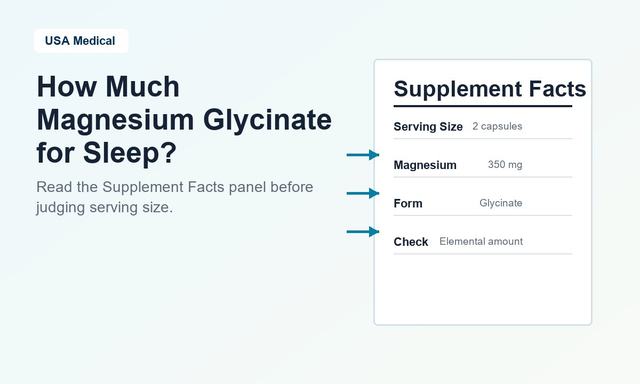
- Compare elemental magnesium per serving, not the raw compound weight.
- Ask a clinician about persistent sleep problems, kidney disease, pregnancy, or medicine interactions.
- See the magnesium sleep evidence Separate form preference from clinical evidence.
- Understand elemental magnesium Compare labels using the correct milligram number.
Conclusion
Glycinate wins the sleep-routine comparison because the form and use case align, not because research proves it is a sedative. Citrate has good comparative absorption data and a different digestive profile. Oxide remains common but is a weaker choice when absorption and nighttime comfort lead the decision.